
Headline: The Future of Bali Tourism: Why Booking Legal Matters in 2026

The Powerhouse of Bali: Understanding Badung Regency

If you’ve ever stayed in a world-class villa or a beachfront resort in Southern Bali or on the West Coast, you’ve likely been in Badung. As the tourism engine of the island, it is divided into three iconic zones:
The Southern Peninsula (The Bukit): The height of luxury. Home to the iconic Uluwatu Temple, the manicured resorts of Nusa Dua, and the famous seafood sunsets of Jimbaran.
The Central Hub (The Heartbeat): This is where the energy is. From the shopping of Seminyak to the digital nomad paradise of Canggu (Berawa and Batu Bolong), this corridor defines modern Bali.
Central & Northern Badung: For those seeking the soul of Bali, the lush rice terraces of Mengwi and the towering nutmeg trees of the Sangeh Monkey Forest offer a serene escape.
The Reality Check: Supporting Legitimate Businesses
Recent figures from the Badung Regency highlight a staggering gap: while thousands of villas operate, only a small fraction of foreign workers are legally registered.
For those of us who have spent over 20 years investing in Bali, following every labor law, and paying into Social Security (BPJS) and health insurance, the rise of unlicensed operators is more than just "competition"—it’s a threat to the island's sustainability.
Why this matters to you as a traveler: Illegal operations often bypass safety standards, fair wage practices, and environmental regulations. When you choose a licensed villa, you are directly supporting the Balinese people and the infrastructure that keeps this island beautiful.
The 2026 Crackdown: A Cleaner, Fairer Bali
The tide is turning. Following the Governor’s 2025 mandate, the landscape for illegal rentals is changing fast:
Airbnb Compliance: Starting March 29th, hosts must provide official government registration numbers to remain active. Expect other major platforms like Booking.com to follow.
Stricter Zoning: New regulations have halted the construction of hotels and villas on protected rice paddies to preserve Bali’s natural heritage.
Increased Enforcement: With new immigration offices active on the West Coast, the focus is squarely on ensuring every worker and business owner is playing by the rules.
Join the Movement: Support Ethical Tourism
We love this island. We believe in its future. By choosing to stay with established, legally authorized villas and hotels, you are helping us "Clean up Bali"—from its beaches to its business practices.
Support the cause: ✅ Like and Follow this page for updates on legal travel and the best licensed stays in Bali. ✅ Share this post to help friends make informed, ethical choices for their next holiday. ✅ Look for Registration Numbers when booking your next luxury escape.
Let’s work together to keep Bali authentic, legal, and thriving.
Published: February 17, 2026
Here at The Bali Sun, one of the topics we cover most frequently is immigration. From tourist visas to immigration task force spot checks at top attractions, through to changing stay permit extension rules, we understand that immigration matters can be confusing and must be taken seriously.

In Indonesia, immigration is a serious matter, and all foreigners must approach it with respect and patience. Immigration in Bali has been an issue that has hit headlines all too many times and for all too many reasons.
While the vast majority of the 7 million international tourists who visit Bali each year obey the law and respect local customs, some people still try to exploit loopholes or grey areas, or simply operate outside the law.
Bali’s Badung Regency, which is home to top resort destinations like Kuta, Legian, Seminyak, Canggu, Jimbaran, Uluwatu, and Nusa Dua, has released some new immigration data, and it makes for interesting reading.
According to Badung Regency’s figures, there are just 163 foreigners who are legally registered as working in the area. The figures have just been shared by the Badung Regency Industry and Manpower Office (Disperinaker) and were valid as of December 2025.
The numbers are based on work permit extension data, which shows that most of the foreign workers work for companies located in South Badung, such as North Kuta, Kuta, South Kuta, and Mengwi.
Speaking to reporters, Head of Manpower Placement and Expansion of Employment Opportunities at the Badung Manpower Office, Ni Luh Putu Widiantari, explained, “Most of them are in North Kuta with 60 people, in Kuta there are 48 people, in South Kuta there are 48 people, and in Mengwi there are a few, namely 7 people.”
Widiantari explained that the work permit extension data reflects the number of legal foreign workers in Badung, as all had applied for extensions by the end of last year.
He noted that the majority of these foreign workers fill strategic positions such as directors, general managers, managers, chefs, consultants, and trainers. Specifically, Widiantari noted that marketing manager positions are the most common for foreign workers in Badung Regency.
Widiantari explained that while the work permit extension data gives a snapshot of the number of foreign workers in Baudng Regency, it doesn’t give the full picture.
She explained, “This is a major challenge for us in Badung, where there are a large number of foreign workers, including foreign nationals, and those working there, some of whom are likely illegal. We need to work harder by visiting companies, providing guidance, and checking on foreign workers there.”
This data focuses on foreigners who are working in Bali on an employment-based visa. Many foreigners in Bali are living on the island on pre-investment, investment visas, and business visas, as well as retirement visas. While the Golden Visa is an option, very few people have followed this route.

Over the last two years, Bali Immigration teams have been cracking down on foreigners who have been working illegally, either on pre-investment visas or socio-cultural visas. Just this month, Bali deported a Swiss national who was found to have been working at a surf camp despite holding a remote worker stay permit.
The Head of Ngurah Rai Immigration Public Relations, Husnan, told reporters, “We received a public complaint alleging that a foreigner recruited a foreign surfing coach and was directly involved in the management of a surfing training center.”
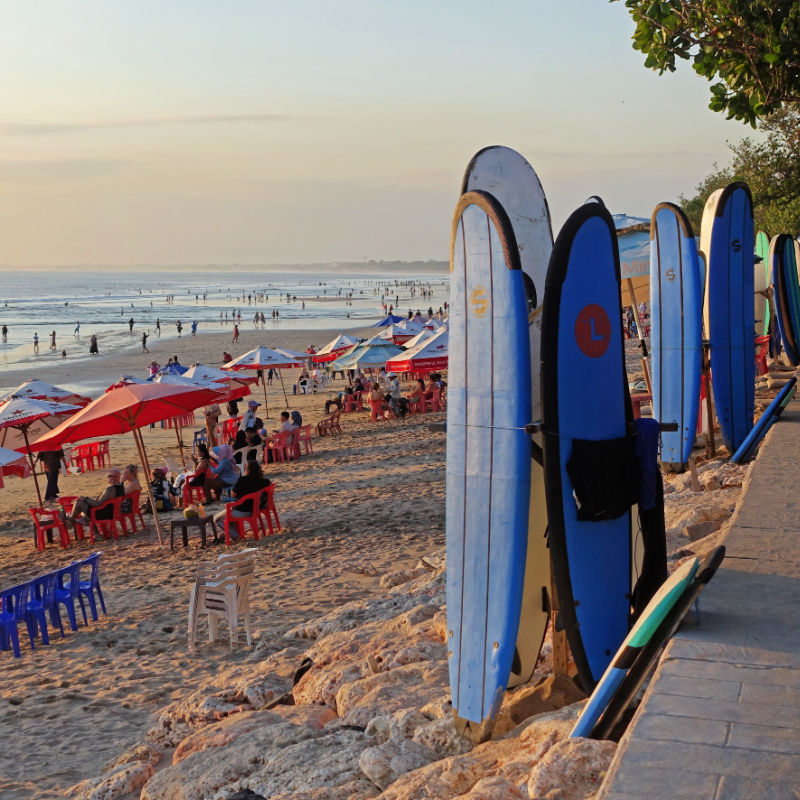
“The person concerned misused his residence permit by actively participating in the management of Soleai Surf Camp and recruiting surfing coaches, as well as using an inappropriate residence permit.”
He concluded, “The person concerned will be subject to a five-year travel ban, which can be extended once for a total of ten years.”

It remains the case that for most tourists traveling to Bali, the most appropriate visa is the eVisa on Arrival, which can be applied for prior to travel via the Official Indonesia eVisa website.
On the site, foreigners can also view all their visa and stay permit options by answering the questions on the screen, which helps identify the best visa to apply for based on the intended reasons and duration of a stay in the country.


No comments:
Post a Comment